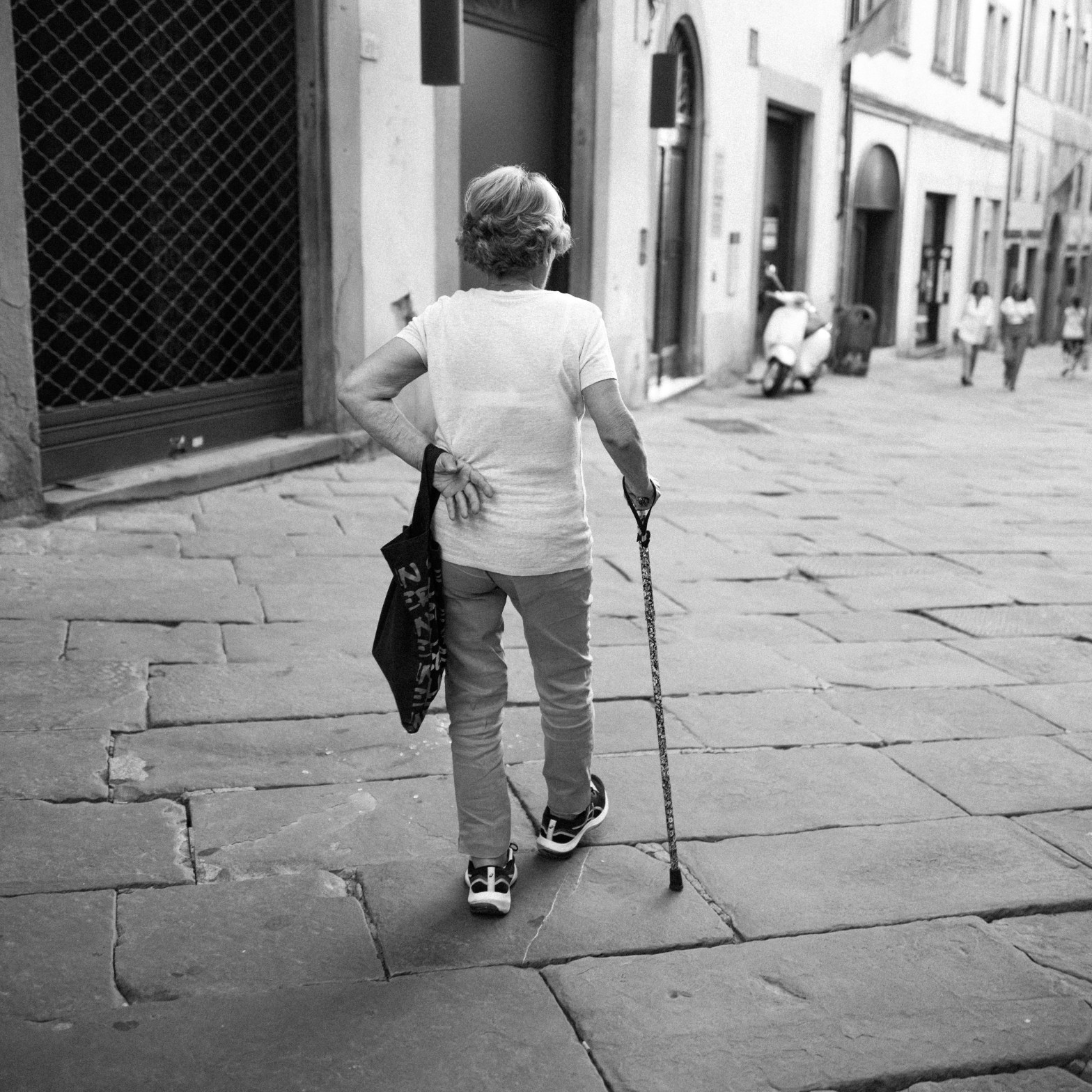
A road traffic accident (RTA) can change life in an instant. Beyond physical injuries, survivors often face emotional shifts, lifestyle changes, and an unfamiliar version of daily life, one they never expected to navigate.
Adjusting to this ‘new normal’ can be challenging, but it is possible to rebuild a fulfilling life, even when things feel different. If you’re struggling with changes after an RTA, know that you are not alone, and you are not defined by your accident.
What Does the ‘New Normal’ Look Like?
Life after an RTA varies for every survivor, but some common challenges include:
- Physical Limitations – Reduced mobility, chronic pain, or adjusting to assistive devices.
- Emotional Struggles – PTSD, anxiety, depression, or frustration with the healing process.
- Lifestyle Adjustments – Changes in work, relationships, or daily routines.
- Identity Shifts – Feeling disconnected from who you were before the accident.
It’s normal to grieve the life you had before. But healing isn’t about ‘going back’, it’s about finding a new way forward.
Steps to Adjust to Life After an RTA
1. Acknowledge the Change
Before you can move forward, it’s important to accept that things may not be exactly the same, and that’s okay. Change doesn’t mean loss; it means adaptation.
- Allow yourself to grieve the old version of your life.
- Recognize that adjusting takes time, it’s a process, not a race.
- Focus on what you can control, rather than what you’ve lost.
2. Create a Routine That Supports Recovery
Consistency helps rebuild stability. Establish small daily habits that create a sense of normalcy:
- Morning Check-in: How is my body feeling today? What do I need?
- Movement & Self-Care: Even small steps (gentle stretching, deep breathing) matter.
- Break Up the Day: Don’t push yourself too hard—balance activity with rest.
- Evening Reflection: Celebrate progress, no matter how small.
By creating predictability in an unpredictable situation, you regain control over your day.
3. Find New Ways to Connect with Yourself
An accident can make you feel like you’ve lost a part of who you were. But rather than focusing on what’s changed, try rediscovering what still brings you joy:
- Creative Outlets – Painting, writing, music, or anything expressive.
- Spending Time in Nature – Fresh air and movement help with mental clarity.
- Connecting with Loved Ones – Social support is key in this journey.
- Learning Something New – A skill, hobby, or interest to engage the mind.
Even if old passions feel different, new ones can emerge, this is part of the healing process.
4. Redefine Strength on Your Terms
Many survivors struggle with the idea that they’re no longer as ‘strong’ or ‘capable’ as they once were. But strength isn’t just about what your body can do—it’s about resilience, adaptability, and showing up for yourself every day.
Remind yourself:
- Strength is asking for help when you need it.
- Strength is adjusting, not giving up.
- Strength is celebrating small victories, not just big ones.
Your value doesn’t change just because your circumstances do.
5. Seek Support When You Need It
There is no shame in reaching out – adjusting after an RTA is complex, and no one should go through it alone.
Therapy & Counselling – Talking to a professional can provide clarity and coping tools.
Support Groups – Connecting with others who understand your experience can be healing.
Educational Resources – Understanding recovery helps you regain a sense of control.
Your life after an RTA may look different, but that doesn’t mean it’s over. Growth happens even in difficult seasons, and while the road may be different, it can still lead to a fulfilling and meaningful life.
Discover more from Trauma Pain Support Ltd.
Subscribe to get the latest posts sent to your email.
