
If there’s one thing I didn’t expect after my accident, it was how deeply sleep and stress would affect my recovery.
I expected pain, rehab, and the mental struggle.
But I didn’t expect to feel utterly exhausted, even when I rested all day.
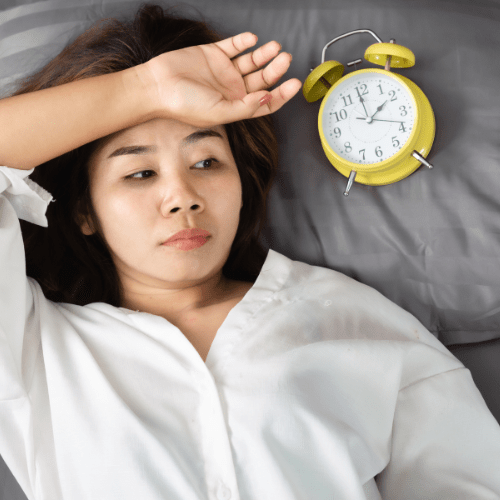
1.Difficulty Sleeping After Trauma?
After an RTA, your body stays in survival mode. Your nervous system is on high alert; pain disrupts comfort; Anxiety spikes at bedtime, I spent nights tossing, turning, and blaming myself. Sound familiar?
.

2.What Actually Helped Me Sleep
1. A Simple Night Routine; Warm shower before bed; no screens 30 minutes before sleep; gentle music or calming sounds.
2. Finding Comfort: Extra pillows; Heat pads or ice before bed; Light stretching to release tension; I didn’t get it perfect, I just made one change at a time.
1.Stress: The Silent Recovery Killer
I didn’t realize how much stress was holding me back until I actually addressed it. When stress runs high: Cortisol floods the system → Slower healing; Muscles stay tight → More pain; Heart rate stays up → Poor sleep
.
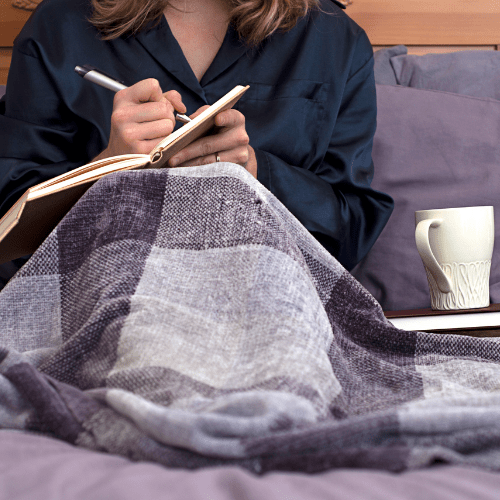
2.What Helped Lower My Stress
Deep breathing throughout the day; Journaling before bed (just a brain dump); Gentle movement – even 5 minutes of walking; You don’t need a perfect routine. Just one habit that helps your body feel safe again.
Final Thoughts: Give Yourself Grace
Struggling with sleep and stress after an RTA is completely normal. Your body is healing. Your mind is processing. It takes time, and kindness. Start small; Listen to your; body; Be patient; Keep going. You’re not alone, and your new normal doesn’t have to mean constant exhaustion. It can mean learning what helps, one step at a time.
Have you struggled with sleep and stress after an accident? What helped you the most?
Discover more from Trauma Pain Support Ltd.
Subscribe to get the latest posts sent to your email.
