

When Progress Becomes Performance
In recovery today, many people place a great deal of pressure on themselves.
To move forward. To feel better. To reach a point where things finally make sense.
There is often an expectation that healing should come with breakthroughs, moments of clarity, emotional release, or decisive change.
But trauma recovery is not a motivational seminar. It is a long-term process of adaptation.
As recovery progresses, that pressure can quietly become part of the strain.

In early recovery, insight and momentum can be helpful. Understanding what happened, naming patterns, and making sense of the past can create movement where everything once felt stuck. Later on, the same drive can start to work against stability.
Constant self-monitoring, emotional processing, or searching for the next “shift” can re-activate a system that is no longer trying to transform, only to settle. What once supported healing can begin to feel like effort without relief.
The pressure to keep doing recovery can override the work already done.
Steadiness Over Intensity
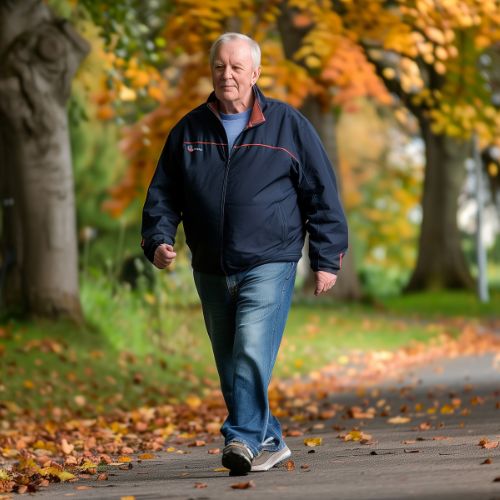
As recovery progresses, what supports healing often becomes simpler rather than more demanding. Stability is built through routine, boundaries, predictability, and a reduced emotional load, rather than constant insight or intensity. This shift does not signal a loss of momentum, but a change in what progress looks like. When the nervous system no longer needs to reorganise itself through heightened activation, it naturally seeks steadiness instead, reflecting consolidation rather than stagnation.
Maintenance Is Underrated
Remaining regulated through winter months, periods of stress, reduced energy, or fewer external supports is not neutral. Maintenance protects what has already been rebuilt, preventing exhaustion, regression, and collapse even though it rarely feels productive or impressive. This phase often goes unrecognised precisely because it looks quiet, stable, and uneventful, yet it plays a critical role in sustaining recovery over time.

Rest Is Not Regression
As pressure reduces, many people feel drawn toward simplicity, repetition, or rest. That pull is not avoidance, it is not giving up.
It reflects a system that no longer needs to prove resilience through effort. Sometimes, the most supportive thing recovery can do is allow life to become smaller, without fear of losing ground.
🧡 Key Takeaway
De-pressurising recovery does not mean disengaging from healing.
It means recognising when steadiness has become more valuable than intensity.
If recovery feels slower or quieter than before, that may be because it is no longer trying to survive, only to remain stable.
💬 Please share this blog if you know someone who needs to hear it too.
Discover more from Trauma Pain Support Ltd.
Subscribe to get the latest posts sent to your email.
