
TPS Practitioner Resource Series — February 2026 · Article 2 · Vocational Rehabilitation
Sustainable Return to Work
Why Success Depends on More Than Functional Independence
There is a meaningful difference between being able to perform a task once and being able to repeat it safely and consistently within the demands of a real working week. This article explores what sustainable return to work truly requires and why functional independence, though a necessary milestone, is not a sufficient endpoint for rehabilitation planning.
Functional Independence Is Not the Finish Line
Across vocational rehabilitation and occupational health practice, functional independence is often treated as the primary benchmark for readiness to work. If a person can dress themselves, travel independently, and manage basic daily tasks, the assumption is frequently that return to work is achievable and therefore appropriate.
But achievability and sustainability are not the same thing. A survivor of serious road trauma may be functionally independent in the domestic sense while still experiencing profound difficulty sustaining activity across a working day, managing the cognitive load of a professional role, or recovering adequately between working days to present consistently at the expected level.
Sustainability asks a different set of questions: Can this person perform their role on Monday and on Friday? Can they meet the expectations of their employer not just on a good day, but across a representative working week? What happens to their pain levels, concentration, mood, and energy as the demands accumulate?
The distinction between achievable and sustainable is one of the most clinically and ethically significant judgements in vocational rehabilitation practice.
Potential Consequences of an Unsustainable Return
When sustainability is not adequately assessed, the consequences for the survivor can be significant and are rarely immediate. Instead, they tend to emerge gradually, often in ways that are difficult to attribute directly to premature return.
Sustained Activity Over Hours
A survivor may manage two or three hours of productive work before reaching a threshold of fatigue that significantly impairs performance. Unlike pre-injury fatigue, post-trauma fatigue does not always resolve with a short rest, it may accumulate across days.
Commuting as a Significant Stressor
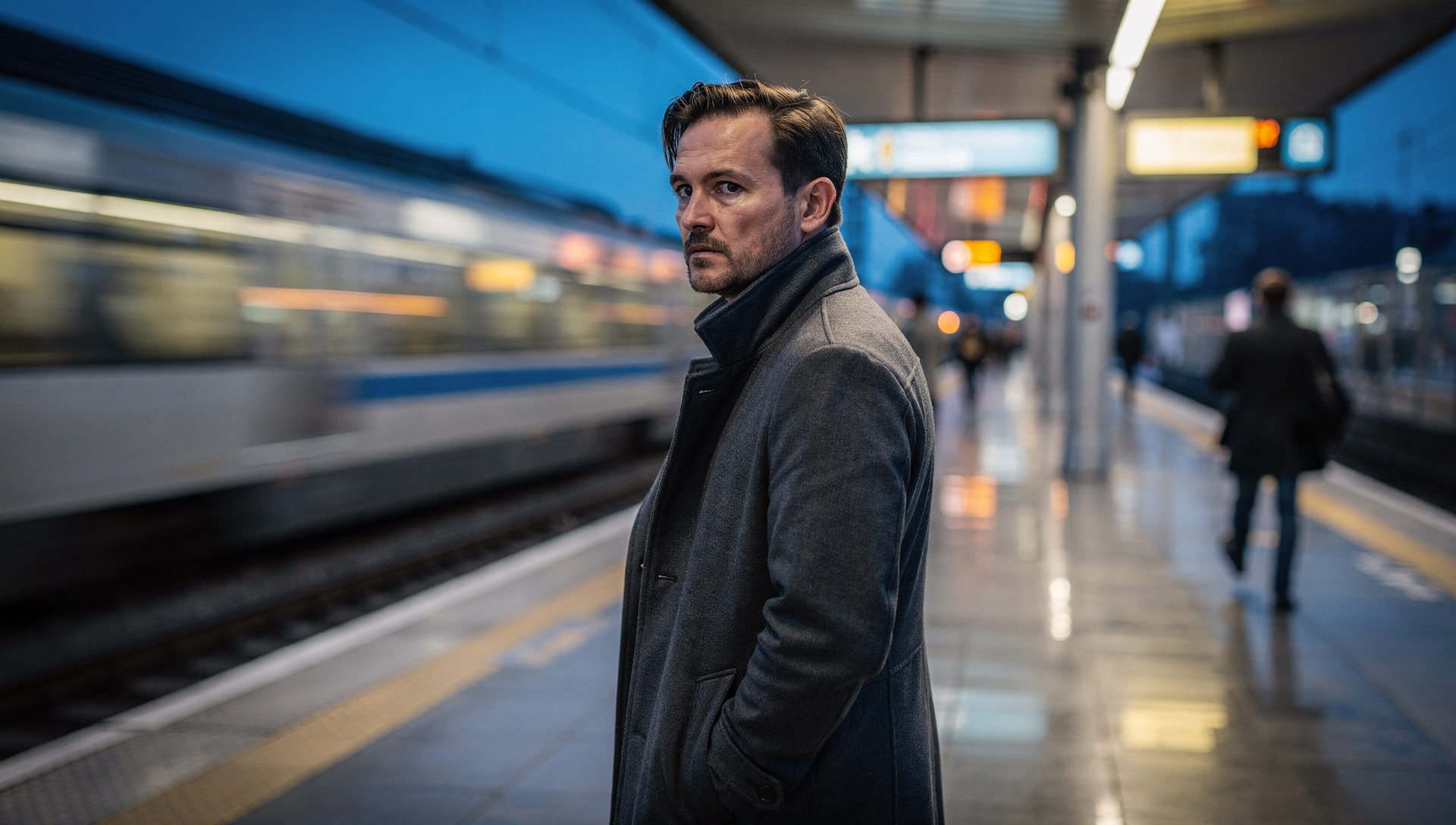
For survivors of road traffic incidents, the journey to work is rarely neutral. Commuting may involve exposure to the same road environment associated with the original trauma, triggering anxiety, hypervigilance, or avoidance all of which consume cognitive and emotional resources before the working day begins.
Processing and Decision-Making
Many survivors report difficulty processing information quickly, holding multiple things in mind simultaneously, or making decisions under time pressure. These are not characteristics of low intelligence or poor motivation, they are common consequences of trauma, pain, and disrupted sleep.
Illustrative Clinical Scenario: The High Performer Who Struggled Silently
Consider a project manager, 14 months post-collision, who returns to work on a phased basis. He is highly motivated, well-regarded by his employer, and determined not to be defined by his injuries. His first two weeks go well. He is organised, punctual, and engaged.
By week five, he is taking paracetamol before leaving the house to manage pain during the commute. He is staying late to complete tasks that previously took him half the time. At weekends, he is largely unable to engage with family life, he describes spending Saturday recovering from the working week. He has not disclosed this to his employer or his case manager, because he is succeeding by the measures everyone has agreed to.
His return to work is, by most recorded metrics, a success. But it is not sustainable, and without a more nuanced review, the gap between appearance and reality may not be identified until a significant deterioration occurs.
Sustaining Responsibilities Beyond the Workplace
A sustainable return to work must also account for a person’s life outside employment. Work does not exist in isolation. Survivors frequently describe a significant reduction in capacity for family responsibilities, social engagement, and self-care during periods of full or near-full work engagement following trauma.
Family & Caring Roles
Cognitive and physical fatigue after work may leave a survivor unable to fulfil parenting, caring, or household responsibilities, leading to secondary stress, relationship strain, and diminished recovery.
Confidence & Identity
Changes in professional performance, even subtle ones, can significantly affect self-esteem and sense of identity, particularly in individuals whose work has historically been central to their sense of self.
Self-Care & Recovery
Sleep, exercise, nutrition, and therapeutic engagement are all components of recovery. A working pattern that leaves no capacity for these activities is likely to undermine rather than support long-term rehabilitation outcomes.
Implications for Assessment and Rehabilitation Planning
Sustainable return to work requires a planning framework that looks beyond clinical milestones and integrates the full range of demands, occupational, environmental, cognitive, emotional, and domestic, that a survivor must manage simultaneously. Regular, structured review points are essential: not as a mechanism for surveillance, but as a genuine opportunity to identify emerging difficulties before they become crises.
Assess Full Work Demands
Look beyond isolated function to the cumulative demands of a representative working week.
Design a Graded Return Plan
A flexible, graded approach can respond to fluctuating capacity more effectively than a fixed timeline.
Review Progress Regularly
Structured review points help identify emerging difficulties before they become crises.
Adjust Supports As Needed
Supports should respond to the survivor’s changing capacity and circumstances over time.
A flexible, graded return-to-work approach may allow rehabilitation planning to respond more effectively to fluctuating capacity than a rigid fixed-timeline approach.
Practitioner Reflection Questions
These questions are designed to support reflective practice when planning and reviewing return-to-work programmes for survivors of serious road traffic trauma.
On Sustainability vs. Achievability
Does your current rehabilitation plan distinguish between what your client can achieve in the short term and what they can sustain over time? How would you know if the current pace of return is unsustainable?
On Life Beyond Work
Have you explored what your client’s capacity looks like outside of work hours? Are they able to maintain responsibilities at home, engage socially, and preserve time for recovery, or is work consuming everything?
On Review and Responsiveness
How frequently are return-to-work plans reviewed, and by whom? Is there a clear mechanism for the survivor to raise concerns without feeling that they are jeopardising their return or their relationship with their employer?
On Shared Understanding
Do the survivor, rehabilitation team and employer share a common understanding of what a sustainable return to work looks like for this person?
Key Takeaways for Practitioners
Sustainable Return to Work
Achievable Is Not Always Sustainable
Being able to return does not necessarily mean that the return can be maintained safely over time.
Work Affects Life Beyond Work
Sustainable planning should consider recovery time, family responsibilities and self-care.
Review May Be Needed
Capacity can fluctuate, so return-to-work plans may need to be reviewed and adjusted.
Success Means Sustained Participation
A successful return supports continued work without avoidable deterioration in wider function.
This article is produced by the Trauma Pain Support team for practitioner education purposes. It does not constitute clinical guidance and is not a substitute for professional judgement or medical advice.
Professional Memberships: RSM · BSPRM · VRA · SOM · UKABIF · IPIC · NICE Registered Stakeholder
Trauma Pain Support Ltd · Company No. 16408714 · Registered in England & Wales · Framework aligned with WHO Rehabilitation 2030 principles
