

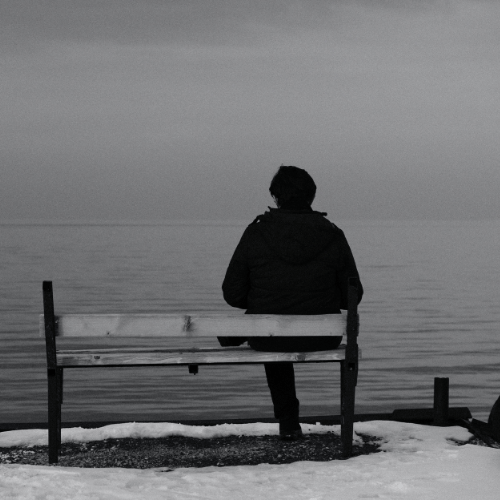
The early days after trauma are often met with support, concern, and attention. But as time passes, the world moves on, and for many trauma survivors, this can be the most isolating part of recovery. You’re expected to “be better” while still quietly battling pain, anxiety, or fatigue that no one sees.
This post explores why healing doesn’t follow a timeline, the emotional toll of being left behind, and how to reclaim your journey, even when others no longer acknowledge it.
What This Experience Looks Like:

Friends stop checking in, assuming you’re “back to normal.

You return to work or responsibilities, but feel overwhelmed or disconnected.
People make comments like ‘You’re so strong’ or ‘At least it’s over now,’ without realising you’re still living with the aftermath.
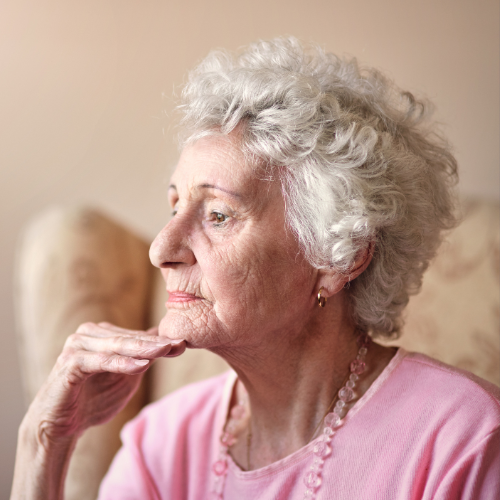

There’s pressure to ‘get on with it’, even if your mind and body aren’t ready.
Why It Hurts So Deeply
- Trauma recovery is not linear. Emotional healing often lags behind physical healing.
- Feeling unseen or forgotten can reignite feelings of abandonment or unworthiness.
- You may start questioning your own pain: “Am I overreacting? Shouldn’t I be better by now?”
- Society tends to measure healing in external milestones, not internal progress.
How I Coped With It Personally
In my memoir, Redefining My Limits, I wrote about the moment I realised that although the world had returned to its rhythm, mine had completely changed. I was still limping, literally and emotionally, through days that felt heavy and endless, long after the hospital visits stopped.
I remember sitting alone on a bench just outside the hospital, watching people rush past on their phones, coffee cups in hand, laughter in the air. No one knew that I’d just been told I might never run again. The contrast between their normalcy and my chaos was unbearable.
So I made a quiet promise to myself:
“Knowing that the world wasn’t going to slow down for me, I would slow down within it.“
I began journaling daily, not to be productive, but to stay connected to myself. I found solace in routines that were gentle: evening walks, warm baths, even just watering the plants. I stopped chasing validation and started building my own internal support system.
It didn’t make the loneliness go away overnight, but it reminded me that I was still healing, and that was enough.
So, How Do You Cope When Others Move On?
Validate your own experience

Healing isn’t something you owe others a timeline for. Your pain is real, even if it’s invisible to others.
Find trauma-informed support – within a community or individual
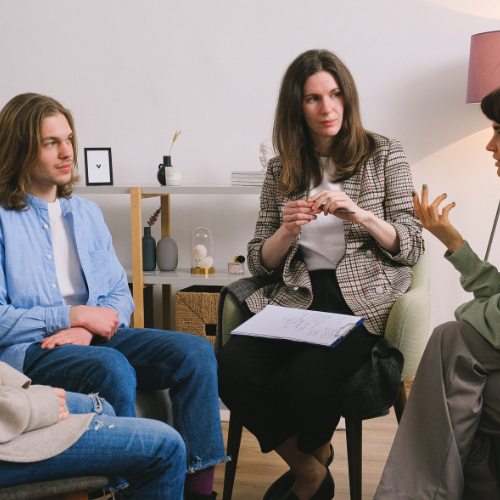
This might be a therapist, support group, or community.
Set emotional boundaries
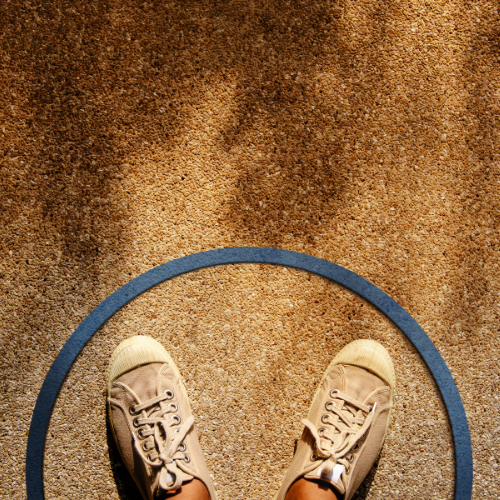
Limit conversations with people who dismiss or rush your healing. It’s okay to protect your space.
Stay grounded in your own milestones
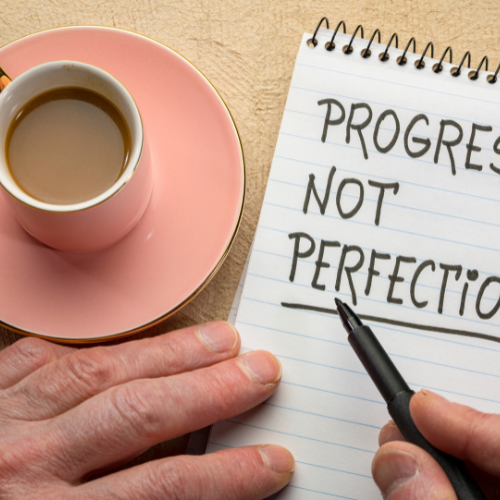
Keep a private journal or tracker to celebrate your progress, not society’s.
Speak your truth

If safe, gently educate loved ones about how trauma recovery unfolds. Awareness can shift dynamics over time.
🧡 Key Takeaway
Healing doesn’t have a finish line. Just because others have moved on doesn’t mean you should rush your journey. Stay with yourself. Honour your pace. You’re not behind, you’re healing in a world that often forgets how long that takes.
💬 Got a story to share? I’d love to hear it.
Discover more from Trauma Pain Support Ltd.
Subscribe to get the latest posts sent to your email.
