
The TPS Journaling Space · September 2026 The People Who Recover Alongside You When someone is seriously injured in a road traffic accident, the recovery is understood to be theirs. The appointments, the rehabilitation, the slow rebuilding of a life all belong to the survivor. But they are rarely recovering alone. Partners, parents, children andContinue reading “The People Who Recover Alongside You”
Tag Archives: trauma
You Are Allowed to Recover Slowly

The TPS Journaling Space · August 2026 You Are Allowed to Recover Slowly Somewhere in recovery, a quiet belief can take hold: that healing should be faster, tidier and more impressive than it is. That resting is falling behind, and that slow progress is not really progress at all. It is worth saying plainly. YouContinue reading “You Are Allowed to Recover Slowly”
Back at Work Isn’t the Same as Back to Yourself

The TPS Journaling Space · July 2026 Back at Work Isn’t the Same as Back to Yourself Returning to work is often treated as the finishing line of recovery. The date goes in the calendar, the desk is waiting, and on paper the story is complete: they are back. But being back at work isContinue reading “Back at Work Isn’t the Same as Back to Yourself”
Recovering on Someone Else’s Clock

The TPS Journaling Space · June 2026 Recovering on Someone Else’s Clock Recovery rarely runs to the timetable other people expect. When progress is measured against a clock that was never built for you, falling “behind” can start to feel like failing. For many people recovering after a serious road traffic accident, that clock becomesContinue reading “Recovering on Someone Else’s Clock”
When the Survivor Becomes the Coordinator of Their Own Recovery
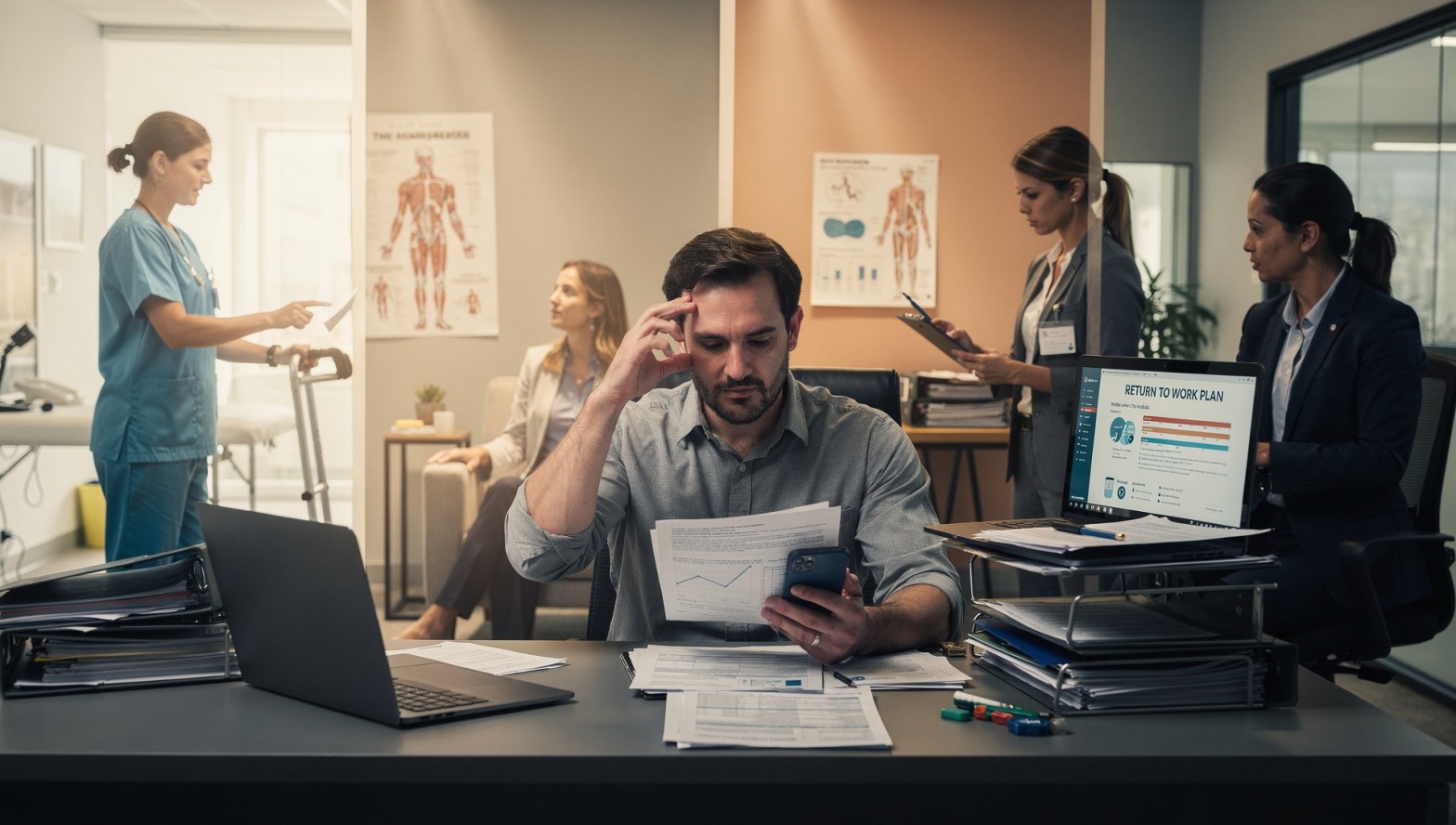
The TPS Journaling Space — May 2026 When the Survivor Becomes the Coordinator of Their Own Recovery After a serious road traffic accident, recovery may involve numerous professionals, organisations and appointments — hospital reviews, physiotherapy, pain management, psychological support, occupational health discussions, insurance correspondence and medico-legal assessments. On paper, this can appear to be aContinue reading “When the Survivor Becomes the Coordinator of Their Own Recovery”
The Iceberg Effect: What Recovery Assessments May Not Immediately Reveal

The TPS Journaling Space — May 2026 The Iceberg Effect: What Recovery Assessments May Not Immediately Reveal After a serious road traffic accident, the most visible injuries naturally receive the greatest attention. Broken bones, surgical wounds, mobility restrictions and physical pain can be examined, recorded and monitored. But long-term recovery is not always fully visible.Continue reading “The Iceberg Effect: What Recovery Assessments May Not Immediately Reveal”
Who Owns Recovery After Hospital Discharge

The TPS Journaling Space — May 2026 Who Owns Recovery After Hospital Discharge? Leaving hospital is often treated as a major milestone after a serious road traffic accident — the moment when immediate danger has passed and recovery can continue at home. But discharge can also mark the beginning of a far less structured stage.Continue reading “Who Owns Recovery After Hospital Discharge”
Why Early Rehabilitation Evidence May Not Tell the Whole Recovery Story
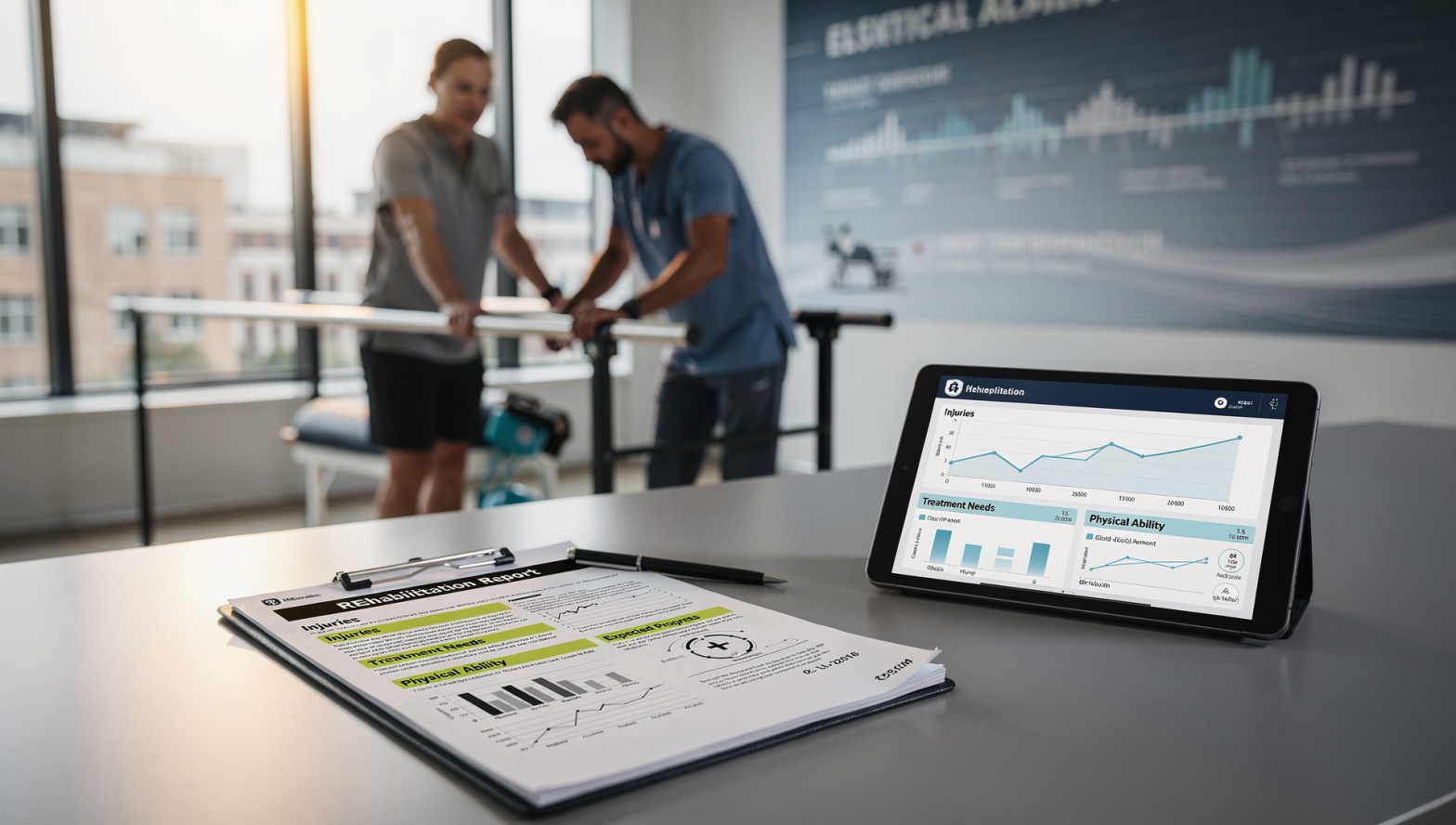
The TPS Journaling Space — April 2026 Why Early Rehabilitation Evidence May Not Tell the Whole Recovery Story Rehabilitation reports provide valuable information after a serious road traffic accident — describing injuries, treatment needs, physical ability and expected progress. However, early rehabilitation evidence captures a person at one point in time. It may be usefulContinue reading “Why Early Rehabilitation Evidence May Not Tell the Whole Recovery Story”
Who Decides What Is Possible After a Serious Road Traffic Accident?
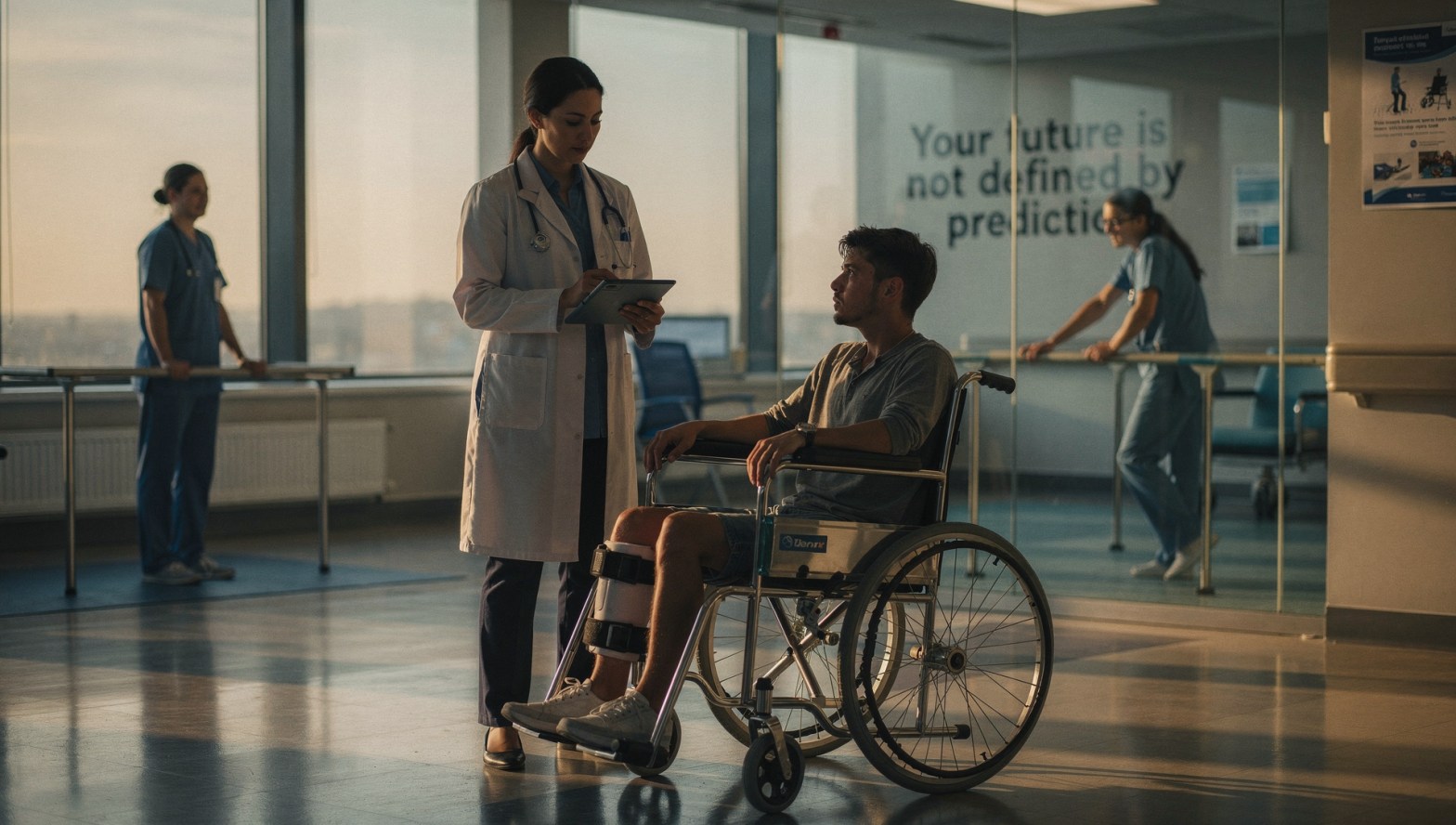
The TPS Journaling Space — April 2026 Who Decides What Is Possible After a Serious Road Traffic Accident? After a serious road traffic accident, survivors may hear predictions about what they are likely to achieve — whether they will walk normally again, return to work, or resume previous activities. While some guidance is necessary, thereContinue reading “Who Decides What Is Possible After a Serious Road Traffic Accident?”
What Lived Experience Can See That Rehabilitation Systems Sometimes Miss

The TPS Journaling Space — April 2026 What Lived Experience Can See That Rehabilitation Systems Sometimes Miss Rehabilitation professionals play an essential role after a serious road traffic accident — assessing injuries, supporting movement, managing symptoms, and helping people regain independence. Yet even a thorough clinical assessment may not show the full reality of aContinue reading “What Lived Experience Can See That Rehabilitation Systems Sometimes Miss”
