

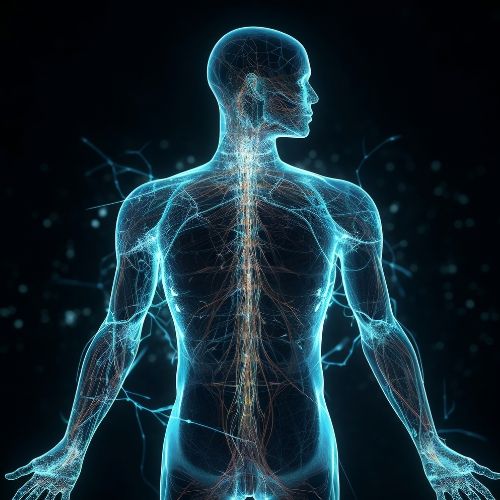
Trauma lives in the nervous system, not just in memory
Trauma is not stored as a story, it’s stored as sensation. Even when your mind tries to move on, your nervous system holds fragments of what happened: the tension, the freezing, the vigilance, the instinct to brace. This is why trauma feels like it “comes back” through the body, not through thoughts.
The Hidden Side of Body Memory
Body memory isn’t your enemy, it’s your system trying to protect you long after the danger has passed.
- Trauma imprints itself as tension, guarding, and bracing.
- Certain movements or sensations can trigger emotional responses without warning.
- Pain and restriction can re-activate trauma recall, especially after RTAs or injury.
- The body reacts before the mind has time to process.
- Trauma shapes breathing patterns, posture, pace, and movement choices.
- The body holds onto what it didn’t get to release.
Steps You Can Take When Your Body Reacts Before You Do

Create safety anchors
A scent, a hobby, an object, a song, something predictable your body recognises as safe.

Use grounding sensations
Touch something warm or textured, feel your feet on the floor, notice weight.

Slow your exhale
Long, gentle exhales down-regulate the threat response.
Body memory isn’t your enemy, it’s your system trying to protect you long after the danger has passed.
🧡 Key Takeaway
Your body isn’t betraying you, it’s communicating with you. When you respond with patience instead of frustration, the tension softens, the flashbacks ease, and your system slowly learns that it no longer needs to guard the way it once did.
💬 Please share this video if you know someone who needs to hear it too.
Discover more from Trauma Pain Support Ltd.
Subscribe to get the latest posts sent to your email.
