

The TPS Journaling Space — March 2026
Closing the Long-Term Recovery Gap After an RTA
One of the least understood parts of recovery after a Road Traffic Accident is what happens after the early stages of treatment are over, when a person may no longer be in immediate medical crisis, yet still be living with pain, fatigue, emotional strain, and a recovery that feels uncertain or incomplete.
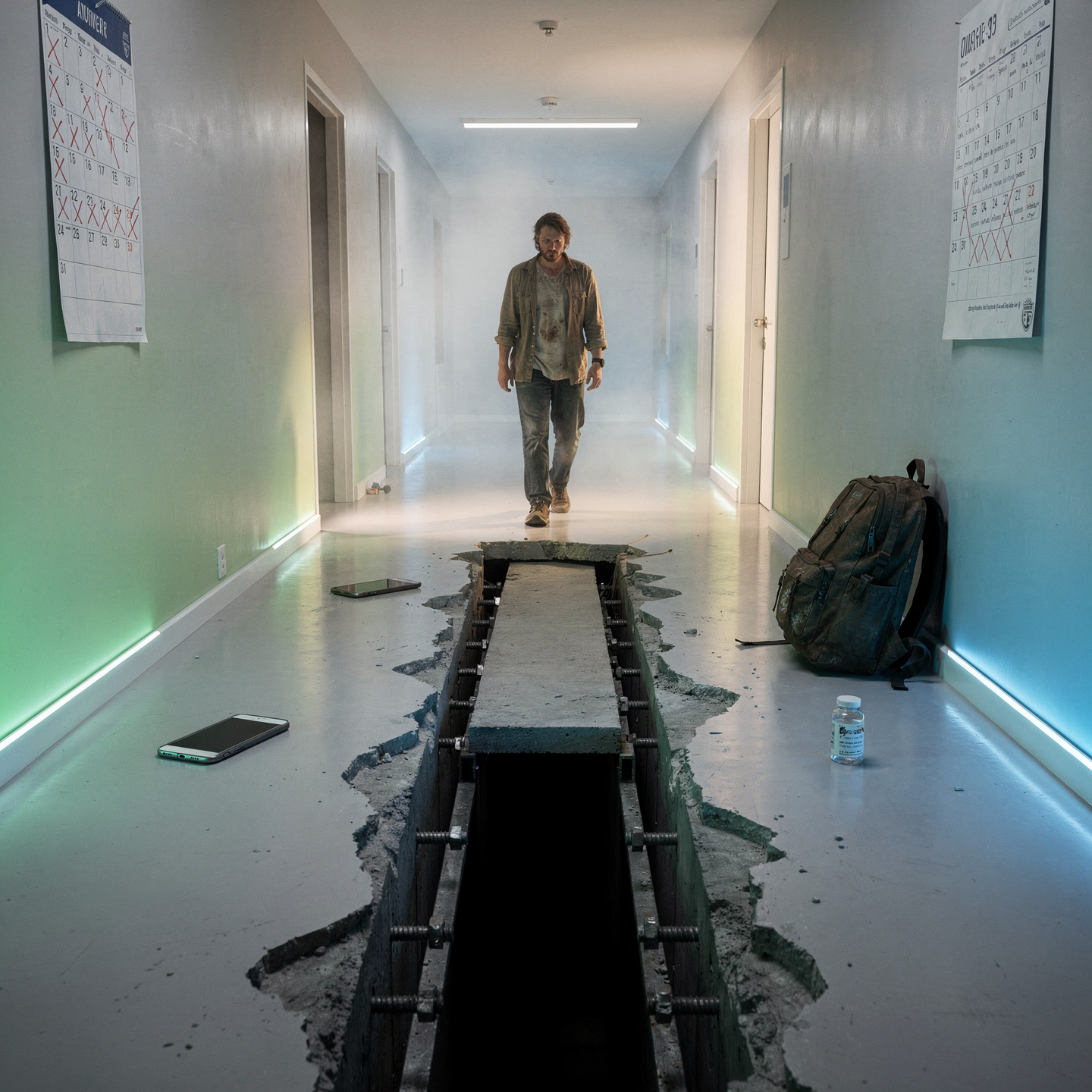
This is the long-term recovery gap: the space between initial treatment and genuine long-term stabilisation. It is the stage where many survivors are expected to keep going without a clear pathway — despite the fact that the hardest parts of recovery may still be unfolding in everyday life.
The Gap Is Often Hidden from View
A person may appear to be doing better simply because time has passed or the most visible injuries have changed — while internally still dealing with fear, disrupted sleep, cognitive strain, emotional distress, and the effort of trying to rebuild daily life.
The Gap Often Begins After Discharge
Formal care may reduce before the person has regained stability, confidence, or a workable sense of direction — leaving survivors in a difficult in-between stage where support may exist in parts, but the wider recovery picture is not being properly held.
The Consequences Build Over Time
When this gap is not addressed, recovery can become delayed, disjointed, and harder to sustain. Survivors may begin to doubt themselves, question why things still feel difficult, or assume they should simply cope alone.
Awareness Alone Is Not Enough
It is not enough to notice that people struggle after discharge. The real issue is whether there is a structure in place to support continuity, visibility, and a clearer route through the long-term phase of recovery.
Closing the Gap Means Taking Post-Acute Recovery Seriously
Long-term recovery should be treated as a distinct and important phase — not as something people are expected to navigate on their own once the formal pathway begins to fade.
A Stronger Pathway Changes the Experience of Recovery
When the long-term gap is addressed properly, survivors are more likely to feel that their ongoing difficulties are recognised, that progress is being supported, and that they are not being left to carry the burden of recovery alone.
Long-term recovery after an RTA should not depend on how well someone can hold everything together by themselves. Closing the recovery gap means recognising that discharge is not the end of the story — and building a pathway that is structured enough to support what happens next.
Closing Reflection
“The long-term recovery gap after an RTA is not simply a difficult personal experience. It reflects a pathway weakness that leaves too much to chance.”
Closing that gap begins with recognising that recovery still needs to be held long after discharge.
Explore more March 2026 posts.
Continue reading or explore TPS recovery resources.
Discover more from Trauma Pain Support
Subscribe to get the latest posts sent to your email.

One thought on “Closing the Long-Term Recovery Gap After an RTA”