

The TPS Journaling Space — February 2026
The Six-Month Cliff: Why Recovery Can Deteriorate After Discharge
“Why RTA recovery outcomes deteriorate after discharge — and what the data shows.”
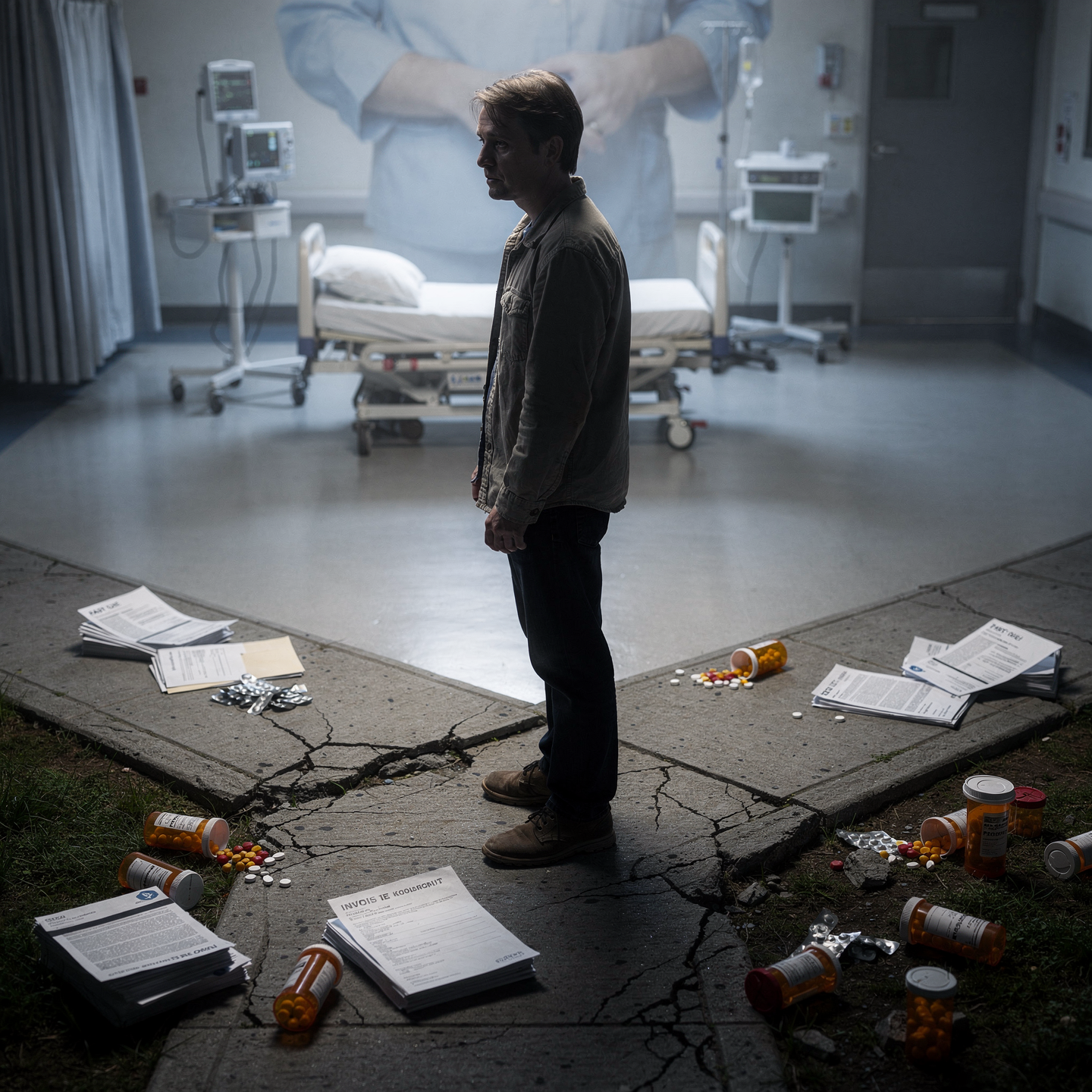
This post introduces one of the most important and underreported phenomena in RTA recovery: the pattern by which outcomes — functional, psychological, and occupational — do not plateau after discharge but actively deteriorate in the months that follow.
The “six-month cliff” is the point at which the protective scaffolding of formal care has fully withdrawn, the person’s social support has often normalised around the assumption of recovery, and the cumulative weight of unmet need begins to compound.
The evidence base demonstrates that this is not anecdotal — it is a documented pattern with measurable consequences. The mechanisms are clear: the withdrawal of professional support, the absence of monitoring, and the way psychological and identity-related needs often surface more sharply once the acute physical crisis has passed.
For professionals, this should function as a call to rethink discharge and post-discharge pathways. For general readers, it should validate an experience the system has rarely named clearly.
The Pattern
Recovery outcomes can deteriorate — not simply plateau — in the months following discharge from formal care.
The Mechanism
Protective scaffolding withdraws, social support normalises, and unmet psychological and functional needs compound over time.
The Evidence
A documented, measurable pattern — not anecdote — with consequences across functional, psychological, and occupational domains.
Closing Reflection
“Support may reduce at the very point where complexity is still unfolding.”
The six-month cliff is not simply a difficult stage of recovery. It points to a wider structural issue in post-acute long-term RTA recovery. When recovery begins to deteriorate after discharge, the question is not just how the individual is coping — but whether the pathway itself was ever designed to hold what comes next.
Explore more February 2026 posts.
Continue reading or explore TPS recovery resources.
Discover more from Trauma Pain Support
Subscribe to get the latest posts sent to your email.

2 thoughts on “The Six-Month Cliff: Why Recovery Can Deteriorate After Discharge”