
Continuity in trauma recovery is often discussed as a clinical challenge a question of treatment duration, service availability, or follow-up care. In reality, continuity is fundamentally a governance issue. It concerns where accountability sits, how responsibility is transferred, and what remains visible once formal care concludes. When governance frameworks stop at discharge, continuity does notContinue reading “Continuity Is a Governance Issue, Not a Clinical One”
Category Archives: December Blogs 2025
What Recovery Indicators Don’t Capture
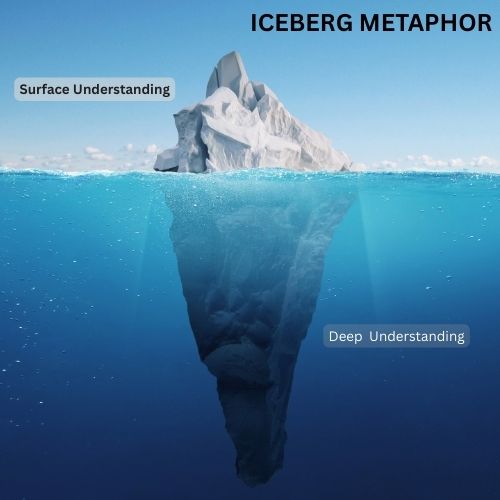
In recovery systems, reassurance often comes from absence. No crisis reported. No re-referral triggered. No formal indicators breached. On paper, recovery appears to be holding. In practice, this apparent stability can conceal growing vulnerability. Recovery indicators play an important role in assessing progress. They signal whether immediate risk is present, thresholds are met, and formalContinue reading “What Recovery Indicators Don’t Capture”
Why Long-Term Recovery Needs Structure, Not Just Support

The language of recovery often centres on support: more services, more resources, more help. Support is framed as the primary solution when recovery falters. Yet long-term recovery rarely fails because support is absent. More often, it falters because structure is missing. Support and structure are frequently used interchangeably, but they perform very different functions withinContinue reading “Why Long-Term Recovery Needs Structure, Not Just Support”
Recovery Doesn’t End at Discharge – It Changes Form

Clinical care ends; recovery risk does not. This simple truth sits at the heart of post-acute continuity challenges, yet it is often overlooked in the design and governance of recovery systems. Discharge is frequently treated as an outcome, a line drawn under a period of clinical intervention. But for those navigating the realities of traumaContinue reading “Recovery Doesn’t End at Discharge – It Changes Form”
