
The TPS Journaling Space · September 2026 Learning to Ask for Help After a serious road traffic accident, a great deal of energy goes into being all right. Managing, coping, not being a burden. For many people, asking for help is one of the hardest things recovery asks of them. But needing help is notContinue reading “Learning to Ask for Help”
Tag Archives: recovery
The People Who Recover Alongside You
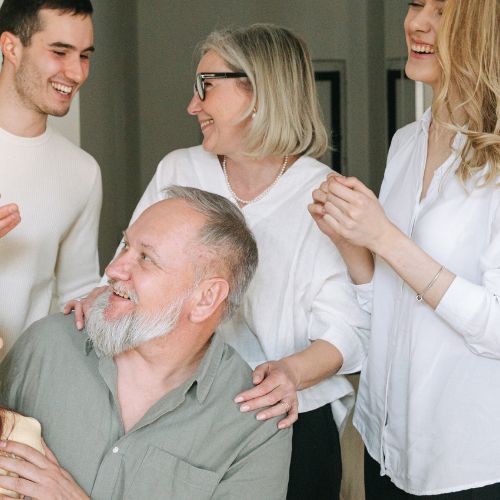
The TPS Journaling Space · September 2026 The People Who Recover Alongside You When someone is seriously injured in a road traffic accident, the recovery is understood to be theirs. The appointments, the rehabilitation, the slow rebuilding of a life all belong to the survivor. But they are rarely recovering alone. Partners, parents, children andContinue reading “The People Who Recover Alongside You”
You Are Allowed to Recover Slowly

The TPS Journaling Space · August 2026 You Are Allowed to Recover Slowly Somewhere in recovery, a quiet belief can take hold: that healing should be faster, tidier and more impressive than it is. That resting is falling behind, and that slow progress is not really progress at all. It is worth saying plainly. YouContinue reading “You Are Allowed to Recover Slowly”
Back at Work Isn’t the Same as Back to Yourself

The TPS Journaling Space · July 2026 Back at Work Isn’t the Same as Back to Yourself Returning to work is often treated as the finishing line of recovery. The date goes in the calendar, the desk is waiting, and on paper the story is complete: they are back. But being back at work isContinue reading “Back at Work Isn’t the Same as Back to Yourself”
Recovering on Someone Else’s Clock

The TPS Journaling Space · June 2026 Recovering on Someone Else’s Clock Recovery rarely runs to the timetable other people expect. When progress is measured against a clock that was never built for you, falling “behind” can start to feel like failing. For many people recovering after a serious road traffic accident, that clock becomesContinue reading “Recovering on Someone Else’s Clock”
Why Long-Term Recovery Needs Structure, Not Just Support

The language of recovery often centres on support: more services, more resources, more help. Support is framed as the primary solution when recovery falters. Yet long-term recovery rarely fails because support is absent. More often, it falters because structure is missing. Support and structure are frequently used interchangeably, but they perform very different functions withinContinue reading “Why Long-Term Recovery Needs Structure, Not Just Support”
