

The TPS Journaling Space — May 2026
When the Survivor Becomes the Coordinator of Their Own Recovery
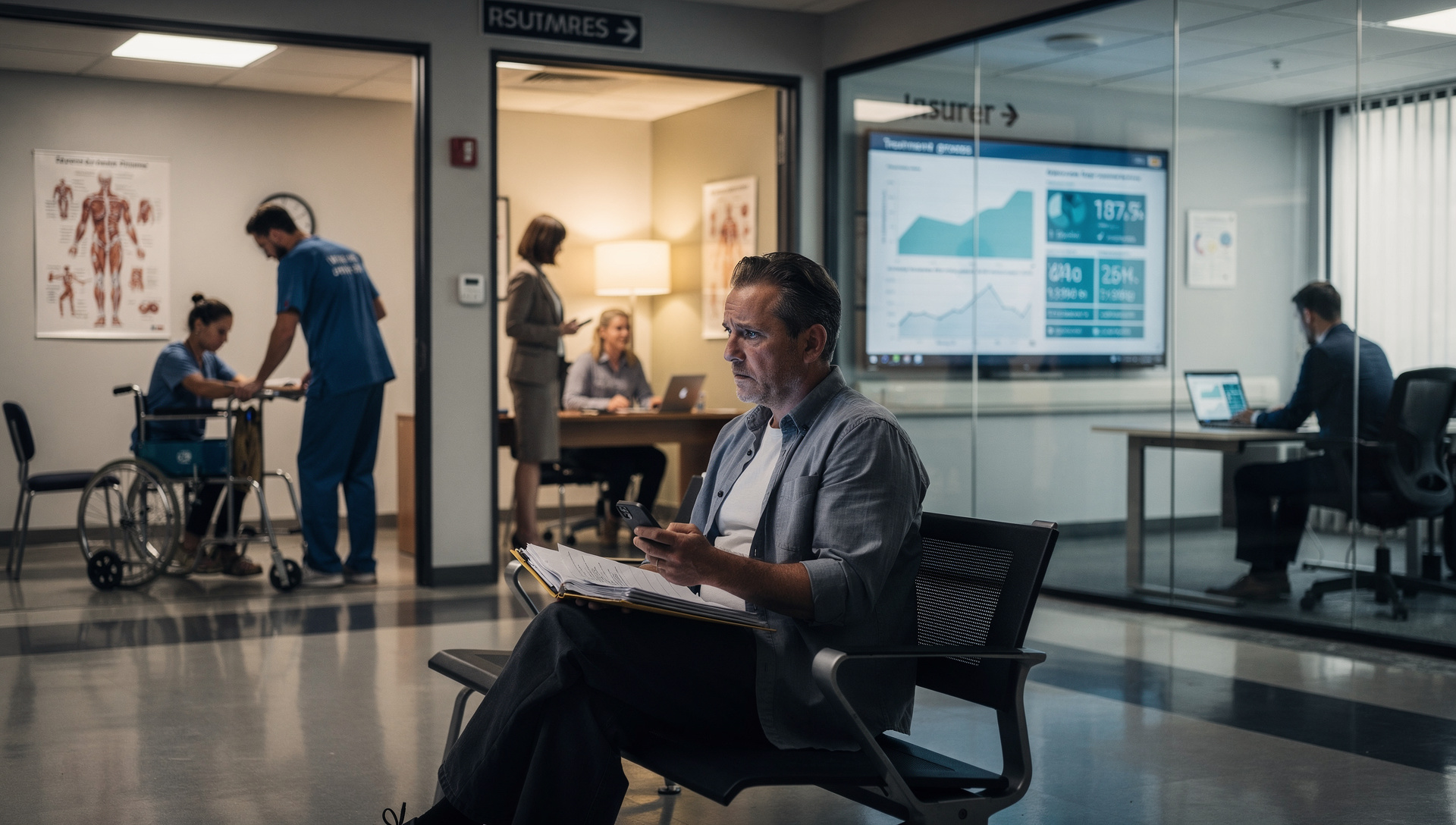
After a serious road traffic accident, recovery may involve numerous professionals, organisations and appointments — hospital reviews, physiotherapy, pain management, psychological support, occupational health discussions, insurance correspondence and medico-legal assessments.
On paper, this can appear to be a comprehensive package of support. In reality, the survivor may still be the only person trying to connect all the different parts.
The Hidden Work of Managing Recovery
Recovery does not only involve attending appointments or completing rehabilitation activities. It can also require someone to:
These tasks would be demanding for anyone. For someone managing pain, fatigue, disrupted sleep, reduced concentration or emotional distress, they can become an additional recovery burden.
Being Surrounded by Services Does Not Guarantee Coordination
Each professional may be working appropriately within their own area, but that does not necessarily mean anyone is monitoring the complete picture. One service may focus on mobility. Another may consider emotional well-being. An insurer may concentrate on treatment progress, while an employer is concerned with returning to work.
The survivor is then expected to carry information between systems that may rarely communicate directly with one another — acting as their own administrator, messenger and recovery coordinator at precisely the time when their capacity may be most reduced.
The Burden Is Not Always Visible
A survivor may appear organised because they arrive at appointments with notes, documents and carefully prepared questions. What may not be visible is the energy required to maintain that organisation — or the consequences when they are no longer able to do so.
Missed appointments, incomplete forms or difficulty recalling information should not automatically be interpreted as a lack of engagement. They may indicate that the practical burden of managing recovery has become too great.
Closing Reflection
“Long-term RTA recovery should not depend on the survivor’s ability to hold several disconnected systems together. Support should reduce the burden of recovery — not quietly add another job to it.”
Discover more from Trauma Pain Support
Subscribe to get the latest posts sent to your email.
