
Continuity in trauma recovery is often discussed as a clinical challenge a question of treatment duration, service availability, or follow-up care. In reality, continuity is fundamentally a governance issue. It concerns where accountability sits, how responsibility is transferred, and what remains visible once formal care concludes. When governance frameworks stop at discharge, continuity does notContinue reading “Continuity Is a Governance Issue, Not a Clinical One”
Tag Archives: dailyprompt
What Recovery Indicators Don’t Capture
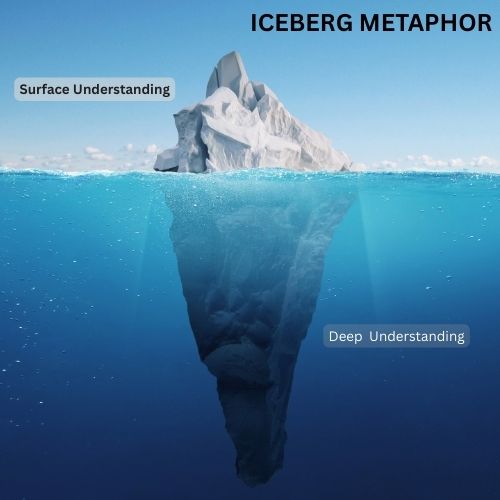
In recovery systems, reassurance often comes from absence. No crisis reported. No re-referral triggered. No formal indicators breached. On paper, recovery appears to be holding. In practice, this apparent stability can conceal growing vulnerability. Recovery indicators play an important role in assessing progress. They signal whether immediate risk is present, thresholds are met, and formalContinue reading “What Recovery Indicators Don’t Capture”
Why Long-Term Recovery Needs Structure, Not Just Support

The language of recovery often centres on support: more services, more resources, more help. Support is framed as the primary solution when recovery falters. Yet long-term recovery rarely fails because support is absent. More often, it falters because structure is missing. Support and structure are frequently used interchangeably, but they perform very different functions withinContinue reading “Why Long-Term Recovery Needs Structure, Not Just Support”
Recovery Doesn’t End at Discharge – It Changes Form

Clinical care ends; recovery risk does not. This simple truth sits at the heart of post-acute continuity challenges, yet it is often overlooked in the design and governance of recovery systems. Discharge is frequently treated as an outcome, a line drawn under a period of clinical intervention. But for those navigating the realities of traumaContinue reading “Recovery Doesn’t End at Discharge – It Changes Form”
A Structured Approach to NHS and CQC Expectations: Post-Discharge Support

Across the NHS, post-discharge support is routinely framed as a compliance requirement rather than a core component of clinical governance. While standards and expectations are well established, responsibility for meeting them often concentrates at the point of discharge, where continuity is weakest and ownership becomes diffused. This creates a structural tension. NHS and CQC frameworksContinue reading “A Structured Approach to NHS and CQC Expectations: Post-Discharge Support”
Integrating Trauma Psychology and Pain Science into Rehabilitation Pathways: A Structural Issue

Rehabilitation pathways frequently separate trauma-related psychological processes from pain-focused physical recovery. This separation is rarely explicit, but it is embedded in how services are structured, sequenced, and commissioned. Psychological input and pain management are often delivered in parallel or at different stages, rather than recognised as interacting components of post-acute recovery. The consequence is notContinue reading “Integrating Trauma Psychology and Pain Science into Rehabilitation Pathways: A Structural Issue”
Addressing the Post-Acute Trauma Continuity Gap: A Systemic Challenge

Addressing The Post-Acute Trauma Continuity Gap In post-acute trauma care, responsibility for recovery frequently shifts from clinical services to individuals before clinical stability has been achieved. This premature transition creates a continuity gap within trauma pathways, exposing patients to avoidable clinical, psychological, and functional risks during a critical phase of recovery. These risks are notContinue reading “Addressing the Post-Acute Trauma Continuity Gap: A Systemic Challenge”
What Trauma Recovery Looks Like When It’s Working

When Healing Is Expected to Be Visible Recovery doesn’t always announce itself. There is rarely a moment where everything suddenly feels resolved or complete. In later stages, healing often becomes quieter, subtler, and easier to overlook, especially when expectations are shaped by dramatic stories of transformation, but recovery doesn’t need to look impressive to beContinue reading “What Trauma Recovery Looks Like When It’s Working”
De-pressurising Recovery: When Breakthroughs Are No Longer the Goal

When Progress Becomes Performance In recovery today, many people place a great deal of pressure on themselves.To move forward. To feel better. To reach a point where things finally make sense. There is often an expectation that healing should come with breakthroughs, moments of clarity, emotional release, or decisive change. But trauma recovery is notContinue reading “De-pressurising Recovery: When Breakthroughs Are No Longer the Goal”
Why Late-Stage Recovery Can Feel Emotionally Flat

When Calm Feels Unfamiliar Many people expect healing to feel good. Relief, lightness, motivation, a sense of reward, instead, they reach a stage of recovery where things feel… neutral. Not distressed, not overwhelmed, just flat. This often causes concern. Shouldn’t I feel better than this by now? but emotional flatness in late-stage recovery is rarelyContinue reading “Why Late-Stage Recovery Can Feel Emotionally Flat”
