
The TPS Journaling Space · September 2026
The People Who Recover Alongside You
When someone is seriously injured in a road traffic accident, the recovery is understood to be theirs. The appointments, the rehabilitation, the slow rebuilding of a life all belong to the survivor.
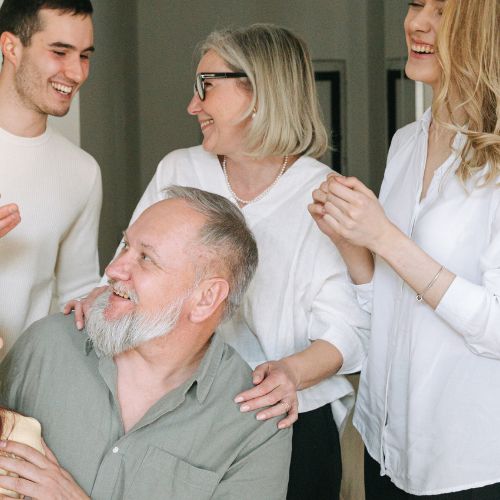
But they are rarely recovering alone. Partners, parents, children and close friends are pulled into the recovery too, and the toll it takes on them is real, even when it goes unspoken.
One Accident, Many Lives Changed
A serious accident does not land on one person in isolation. The people closest to the survivor often find their own lives reshaped overnight, becoming carers, drivers, advocates and emotional anchors, frequently with no warning and no preparation.
Roles shift. A partner may take on everything that used to be shared. A child may grow up a little faster. Plans, routines and the ordinary rhythm of family life are quietly rearranged around the recovery. This is part of the story of an accident too, even though it rarely appears in any assessment.
The Strain That Goes Unspoken
The people supporting a survivor often carry a heavy, invisible load: worry, exhaustion, grief for how things used to be, and the pressure to stay strong so as not to add to the survivor’s burden. They may set their own needs aside for months on end.
Because they are not the injured party, their strain is easy to overlook. Yet a supporter who is depleted cannot support well indefinitely. Their wellbeing is not separate from the survivor’s recovery. It is woven into it.
Recovering Together, at Different Paces
Survivors and the people around them do not always move through recovery in step. A supporter may still be processing the shock of the accident while the survivor is trying to look forward, or the other way around. Frustration, guilt and distance can grow in that gap, even between people who love each other.
Naming this openly helps. Recovery is easier to carry when everyone involved understands that they are on the same journey, at their own pace, rather than expecting each other to feel and cope in the same way at the same time.
Why the Whole Circle Matters
Supporting a survivor well means recognising that the people around them need support too. A family that is coping is far better placed to help than one that is quietly running on empty.
For the professionals and systems involved, whether a case manager, a clinician or an insurer, this widens the picture in a useful way. Recovery does not happen to an individual in a vacuum. It happens within a set of relationships, and looking after those relationships is part of looking after the recovery.
Closing Reflection
“No one recovers from a serious accident entirely alone. The people alongside a survivor carry it too, and caring for them is part of caring for the recovery.”
Discover more from Trauma Pain Support
Subscribe to get the latest posts sent to your email.
