
The TPS Journaling Space — April 2026 What Lived Experience Can See That Rehabilitation Systems Sometimes Miss Rehabilitation professionals play an essential role after a serious road traffic accident — assessing injuries, supporting movement, managing symptoms, and helping people regain independence. Yet even a thorough clinical assessment may not show the full reality of aContinue reading “What Lived Experience Can See That Rehabilitation Systems Sometimes Miss”
Tag Archives: life
What Better Long-Term Recovery After an RTA Could Look Like

The TPS Journaling Space — March 2026 What Better Long-Term Recovery After an RTA Could Look Like For many Road Traffic Accident survivors, recovery does not end when treatment slows down or formal appointments come to an end. Long-term recovery often becomes more complicated after discharge — when people are trying to manage pain, fatigue,Continue reading “What Better Long-Term Recovery After an RTA Could Look Like”
Why Recovery Needs Structure, Not Just Support

The TPS Journaling Space — March 2026 Why Recovery Needs Structure, Not Just Support Support matters deeply in long-term recovery after a Road Traffic Accident. But support on its own is not always enough. Many survivors receive help in parts and still find themselves struggling because what is missing is not simply care, but structure.Continue reading “Why Recovery Needs Structure, Not Just Support”
Closing the Long-Term Recovery Gap After an RTA

The TPS Journaling Space — March 2026 Closing the Long-Term Recovery Gap After an RTA One of the least understood parts of recovery after a Road Traffic Accident is what happens after the early stages of treatment are over, when a person may no longer be in immediate medical crisis, yet still be living withContinue reading “Closing the Long-Term Recovery Gap After an RTA”
The Insurer’s Dilemma: Why Cost-Controlled Pathways Produce the Long-Tail Costs They’re Designed to Avoid
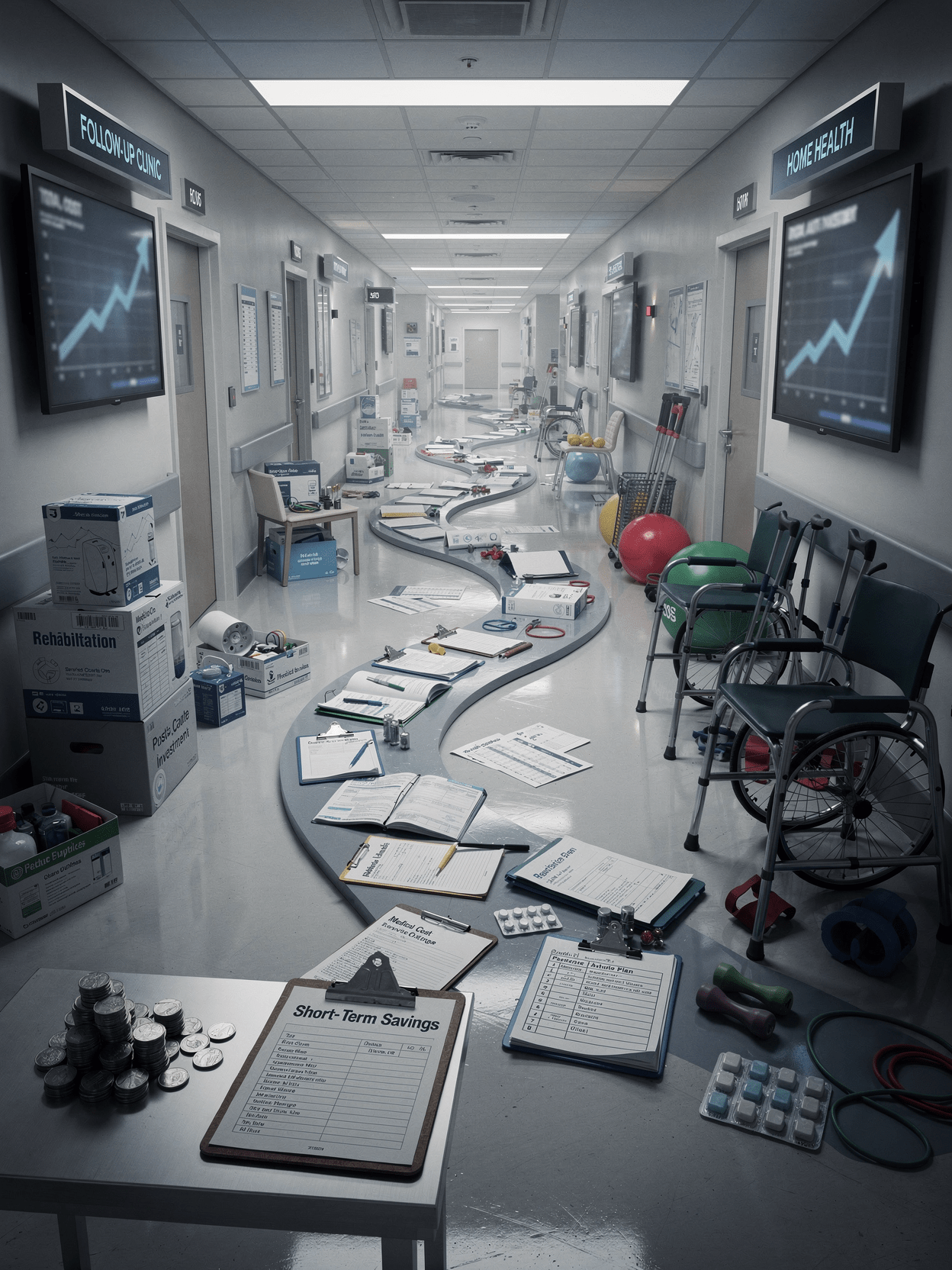
The TPS Journaling Space — February 2026 The Insurer’s Dilemma: Why Cost-Controlled Pathways Produce the Long-Tail Costs They’re Designed to Avoid “Why short-term cost control can unintentionally produce the longer-term costs a pathway was meant to avoid.” 01 The structural tension One of the least acknowledged tensions in long-term RTA recovery is this: pathways designedContinue reading “The Insurer’s Dilemma: Why Cost-Controlled Pathways Produce the Long-Tail Costs They’re Designed to Avoid”
Identity After an RTA: The Recovery Dimension That Sits Between the Clinical Pathway and the Legal Claim

The TPS Journaling Space — February 2026 Identity After an RTA: The Recovery Dimension That Sits Between the Clinical Pathway and the Legal Claim “The recovery dimension that is often left unheld.” 01 The quiet disruption Long-term recovery after an RTA is not only about pain, mobility, or physical function. It can also involve aContinue reading “Identity After an RTA: The Recovery Dimension That Sits Between the Clinical Pathway and the Legal Claim”
The Six-Month Cliff: Why Recovery Can Deteriorate After Discharge

The TPS Journaling Space — February 2026 The Six-Month Cliff: Why Recovery Can Deteriorate After Discharge “Why RTA recovery outcomes deteriorate after discharge — and what the data shows.” 01 The phenomenon This post introduces one of the most important and underreported phenomena in RTA recovery: the pattern by which outcomes — functional, psychological, andContinue reading “The Six-Month Cliff: Why Recovery Can Deteriorate After Discharge”
Five Governance Structures

The TPS Journaling Space — February 2026 Five Governance Structures “Building a long-term RTA recovery pathway that can hold more effectively requires more than support alone. It requires governance structures that make continuity visible, accountable, and operational.” 01 The structural challenge In post-acute long-term RTA recovery, the problem is not only whether support exists. ItContinue reading “Five Governance Structures”
Pain, Cognition, Identity, Confidence: The Parts of Recovery Acute Pathways Often Miss

The TPS Journaling Space — January 2026 Pain, Cognition, Identity, Confidence: The Parts of Recovery Acute Pathways Often Miss Acute care pathways are designed to address immediate clinical priorities — but recovery does not end there. 01 The gap in acute pathways Acute care pathways are designed to address immediate clinical priorities. They stabilise, treat,Continue reading “Pain, Cognition, Identity, Confidence: The Parts of Recovery Acute Pathways Often Miss”
What Happens After the Physio Stops: The Delayed Disruption Nobody Warned You About

The TPS Journaling Space — January 2026 What Happens After the Physio Stops: The Delayed Disruption Nobody Warned You About “The appointments end. The structure falls away. And only then do some of the hardest parts begin to surface.” 01 When the scaffolding is removed When the Scaffolding is Removed During active rehabilitation, recovery isContinue reading “What Happens After the Physio Stops: The Delayed Disruption Nobody Warned You About”
